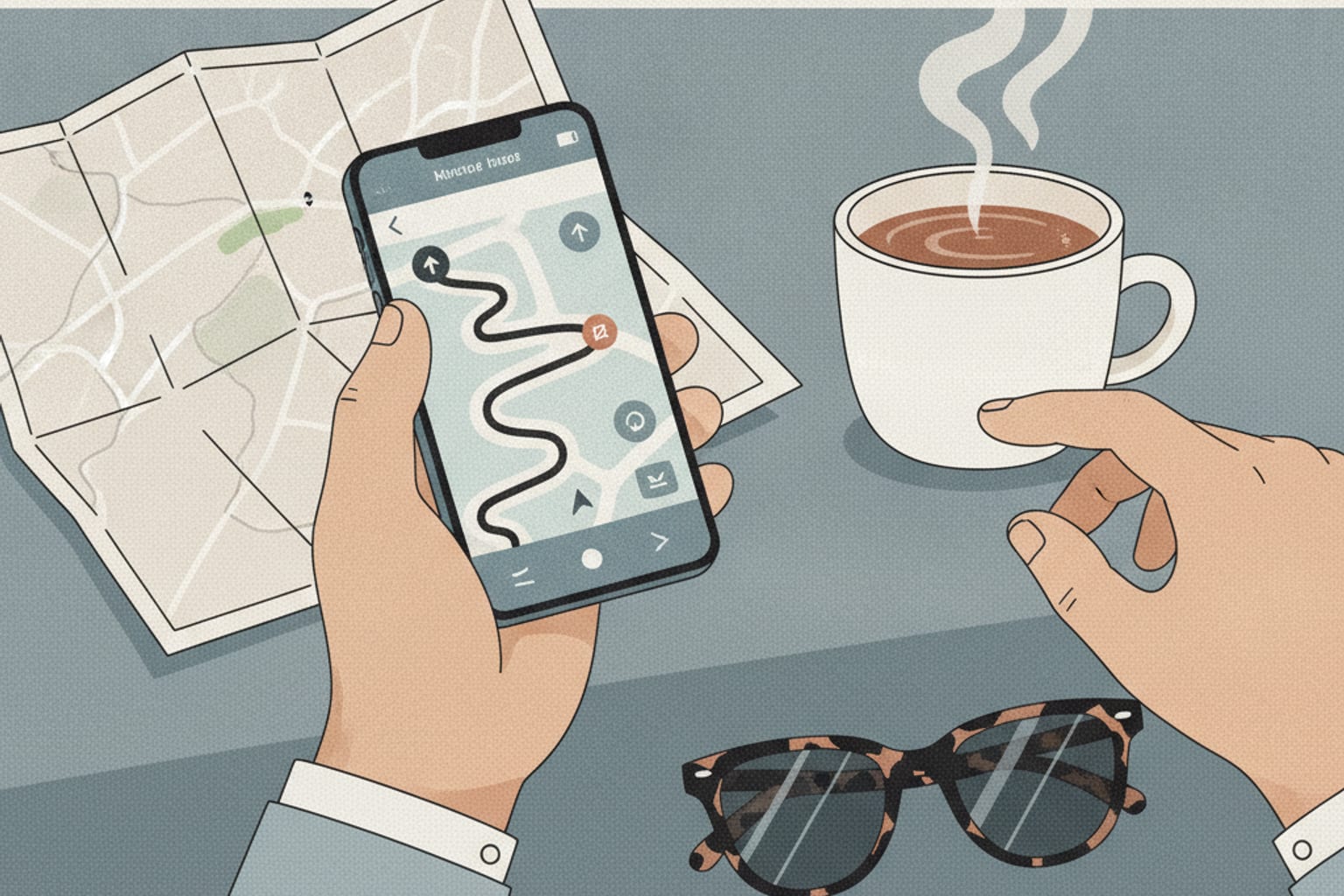
Waze vs Google Maps: The Ultimate 2026 Comparison Guide
Introduction: Navigating the Navigation Apps
When it comes to choosing a navigation app, two of the most popular options are Waze and Google Maps. Each offers unique features tailored to different user needs, making it essential to understand their strengths and weaknesses. Key considerations include real-time traffic updates, user interface, ease of use, offline capabilities, and additional features such as public transit options and route customization. This guide will provide a thorough comparison to help you determine which app best suits your navigation needs.
Comparison Table: Waze vs Google Maps
Tool
Best for
Key Features
Price
Rating
Waze
Real-time traffic updates and community-driven navigation
Waze is a community-driven navigation app that focuses primarily on real-time traffic information and user-generated content. It is designed to provide the fastest routes based on current traffic conditions, making it a popular choice for daily commuters and those who frequently travel in urban areas.
2. Overview of Google Maps
Google Maps is a comprehensive mapping service that offers a wide range of features beyond basic navigation. It provides detailed maps, satellite imagery, and street views, along with options for public transportation, biking, and walking directions. Google Maps is ideal for users looking for a versatile navigation tool that also includes location discovery features.
3. Key Features Comparison
3.1 Real-time Traffic Updates
Waze excels in real-time traffic updates thanks to its user-driven model. Users can report incidents like accidents, road closures, and police presence, which are then shared with other drivers in the vicinity. Google Maps also offers traffic updates but relies more on historical data and selected reports rather than user input.
3.2 User Interface and Experience
The user interface of Waze is vibrant and engaging, with a focus on community interaction. It features a playful design that includes animated icons and a customizable interface. Google Maps, while more subdued, offers a clean and straightforward interface that is easy to navigate, especially for users who may not be familiar with navigation apps.
3.3 Route Customization
Waze allows users to customize their routes based on personal preferences, such as avoiding tolls or highways. Google Maps provides similar options but may not be as flexible in real-time adjustments based on traffic conditions.
3.4 Offline Capabilities
Google Maps supports offline navigation, allowing users to download maps for use without an internet connection. This feature is particularly beneficial for travelers in areas with poor connectivity. Waze does not offer offline navigation, relying instead on continuous internet access to provide updates and route information.
3.5 Additional Features
Google Maps includes extensive features such as public transit directions, bike routes, and walking navigation, making it a more versatile tool for various transportation needs. Waze focuses primarily on driving and does not offer public transit information.
4. Pricing Structure
Both Waze and Google Maps are free to use, generating revenue primarily through advertising. However, Google Maps may have additional costs associated with premium features for businesses or developers using its API. In contrast, Waze remains free with its community-driven model.
5. User Ratings
Waze has a solid user rating of 4.5 out of 5, reflecting its effectiveness in providing real-time updates and an engaging user experience. Google Maps scores slightly higher at 4.7 out of 5, attributed to its comprehensive features and reliability for a wide range of navigation needs.
Use Cases: When to Choose Each App
1. Choose Waze If:
You prioritize real-time traffic updates and community-driven incident reporting.
You are looking for the fastest route options based on current traffic conditions.
You enjoy a more interactive and customizable navigation experience.
2. Choose Google Maps If:
You need a versatile navigation tool that includes public transit and walking directions.
You require offline navigation capabilities for travel in areas with limited connectivity.
You want access to extensive location discovery features, such as nearby businesses and attractions.
Conclusion: Making the Right Choice
Choosing between Waze and Google Maps ultimately depends on your specific navigation needs. If real-time traffic and community engagement are your top priorities, Waze may be the better option. However, if you seek a comprehensive navigation tool with offline capabilities and a wide range of features, Google Maps is more suitable. Understanding these key differences will help you make an informed decision and enhance your navigation experience.
Waze: A Comprehensive Overview
Waze excels in real-time traffic navigation and community-driven features, making it ideal for drivers seeking the quickest routes in congested areas.
Key Features of Waze
Real-Time Traffic Updates: Waze uses crowd-sourced data to provide users with up-to-the-minute traffic information. This helps users avoid traffic jams, accidents, and road closures.
Community Reports: Users can report traffic incidents, hazards, and police presence, which helps keep the information current and relevant.
Alternative Routes: The app suggests multiple routes based on real-time conditions, allowing users to choose the best path.
Voice Navigation: Waze offers turn-by-turn voice navigation, which is helpful for drivers who prefer hands-free directions.
Integrated Music and Podcast Controls: Users can connect their music and podcast apps directly within Waze, allowing for seamless entertainment while driving.
Who Is Waze For?
Waze is particularly suited for daily commuters, ride-share drivers, and anyone who frequently navigates urban environments. Its community-driven approach makes it ideal for users who value real-time updates and prefer to avoid congested routes.
Limitations of Waze
Data Usage: Waze relies heavily on data for its real-time features, which may be a concern for users with limited mobile data plans.
Less Comprehensive Mapping: While Waze excels at providing traffic information, its mapping capabilities are not as detailed as some competitors, especially in rural areas.
Social Features May Distract: The community-driven aspect can lead to distractions, as users are encouraged to report incidents while driving.
SEO content setup
Plan and publish SEO content with AutoSEO
Enter your site to scan it and build a keyword plan. Review your articles and connect your site for publishing. Start for $1.
First 3 trial articles Cancel anytime during the trial 30-day money-back
Google Maps: A Comprehensive Overview
Google Maps offers a well-rounded navigation experience with extensive mapping capabilities, making it suitable for a wide range of users, including those needing detailed geographic information.
Key Features of Google Maps
Diverse Mapping Capabilities: Google Maps provides comprehensive maps that include not only driving directions but also walking, cycling, and public transport options.
Street View: Users can explore locations through panoramic images, giving them a better sense of their destination before arriving.
Business Listings: Google Maps integrates local business information, reviews, and operational hours, making it a valuable tool for finding services nearby.
Offline Maps: Users can download maps for offline use, which is beneficial in areas with poor internet connectivity.
Integration with Google Services: Google Maps seamlessly integrates with other Google services, such as Google Calendar and Gmail, allowing for a more cohesive user experience.
Who Is Google Maps For?
Google Maps is designed for a diverse audience, including casual travelers, tourists, and business professionals. Its extensive features make it suitable for anyone needing reliable navigation, local business information, and geographic exploration.
Limitations of Google Maps
Real-Time Traffic Features: While Google Maps does provide traffic information, it may not be as immediate or community-driven as Waze.
Complex User Interface: Some users may find the interface overwhelming due to the abundance of features and options available.
Less Focus on Driving: Google Maps caters to various modes of transport, which may dilute its effectiveness for drivers compared to Waze.
AutoSEO: The All-in-One Automation Choice
AutoSEO stands out as a robust automation tool that enhances navigation apps' functionalities, providing users with advanced features for optimizing their driving experience.
Key Features of AutoSEO
Real-Time Updates: AutoSEO integrates real-time traffic updates and routing information, similar to Waze, but with additional optimization features.
Route Optimization: The app analyzes user preferences and driving habits to suggest the most efficient routes, reducing travel time and fuel consumption.
Automated Notifications: Users receive alerts for traffic incidents, road closures, and even weather conditions, ensuring they are always informed.
Customizable Preferences: AutoSEO allows users to set preferences based on their driving styles, such as avoiding toll roads or preferring scenic routes.
Integration with Other Tools: The app can connect with various other services, including calendar apps, to schedule appointments and provide reminders based on driving time.
Who Is AutoSEO For?
AutoSEO is particularly useful for tech-savvy users who appreciate automation and optimization in their navigation tools. It is ideal for frequent travelers, delivery drivers, and those who prioritize efficiency and convenience in their driving experience.
Limitations of AutoSEO
Learning Curve: The advanced features may require time to learn and configure, which could deter users seeking a straightforward navigation tool.
Subscription Costs: While some features may be free, the most advanced functionalities often come with a subscription fee.
Dependence on Data: Like Waze, AutoSEO relies on data, which can be a limitation for users with restricted data plans.
Conclusion on Choosing the Right Navigation App
When deciding between Waze, Google Maps, and AutoSEO, users should consider their specific needs. Waze is optimal for those who prioritize real-time traffic updates and community engagement. Google Maps is best for users who require extensive mapping capabilities and local business information. AutoSEO is ideal for those seeking advanced automation and route optimization features. Each app has its strengths and limitations, making it essential for users to assess their driving habits and preferences before making a choice.
How to Choose Between Waze and Google Maps
Choosing between Waze and Google Maps depends on your specific needs and preferences. Here’s a concise decision framework to help you make the best choice:
Navigation Preferences: If you prioritize real-time traffic updates and community-driven data, Waze may be your best option. For a more comprehensive navigation experience with additional features, consider Google Maps.
Usage Context: For daily commutes or driving in urban areas where traffic is a concern, Waze excels. Google Maps is better suited for longer trips and exploring new areas.
Features: If you need public transportation options, offline maps, or detailed location reviews, Google Maps is preferable. Waze focuses on driving efficiency and community alerts.
User Interface: Waze offers a gamified experience that some users find engaging, while Google Maps provides a more straightforward, user-friendly interface.
Integration: Consider what other apps you frequently use. Google Maps integrates well with other Google services, which might be beneficial if you’re already in that ecosystem.
For optimal results, consider starting with both apps to see which aligns better with your travel habits. However, if you’re looking for a robust option that combines features for various travel needs, we recommend AutoSEO for managing your digital presence effectively. Start your $1 trial today!
FAQ
What is the cost of Waze and Google Maps?
Both Waze and Google Maps are free to use. However, they may incorporate in-app advertisements and premium features that could incur costs.
Is there a free option for AutoSEO?
AutoSEO offers a $1 trial for new users, allowing you to test its features before committing to a subscription plan.
Can I switch between Waze and Google Maps easily?
Yes, you can switch between Waze and Google Maps at any time. Both apps are designed to be user-friendly and can be downloaded or deleted without any hassle.
How do I download Waze or Google Maps?
You can download Waze or Google Maps from the App Store (iOS) or Google Play Store (Android). Simply search for the app and click on 'Install' to download it to your device.
Are there any offline features in Waze?
Waze does not have a comprehensive offline mode. It requires an internet connection for real-time updates. Google Maps, on the other hand, allows you to download maps for offline use.
Which app is better for public transportation navigation?
Google Maps is superior for public transportation navigation, offering detailed information on bus, train, and subway routes, along with schedules and real-time updates.
Can I customize routes in Waze or Google Maps?
Both apps allow some degree of route customization. Waze lets you avoid specific roads or types of roads, while Google Maps allows you to drag the route to preferred roads and add waypoints.
Is Waze better for long-distance travel compared to Google Maps?
While Waze is excellent for real-time traffic updates, Google Maps is generally more reliable for long-distance travel due to its comprehensive mapping and additional features like rest stop information and weather updates.
How does AutoSEO help with managing my digital presence?
AutoSEO provides tools for optimizing your website’s visibility on search engines, enhancing your online presence, and driving traffic, which can complement your navigation needs by ensuring your business is easily found by users.
Scan your site, build a keyword plan, and generate your first 3 trial articles. Review the drafts and connect your site for publishing. Start with the $1, 1-day trial; your selected subscription follows unless you cancel.